Dubrovnik
Top attractions and things to do in Dubrovnik
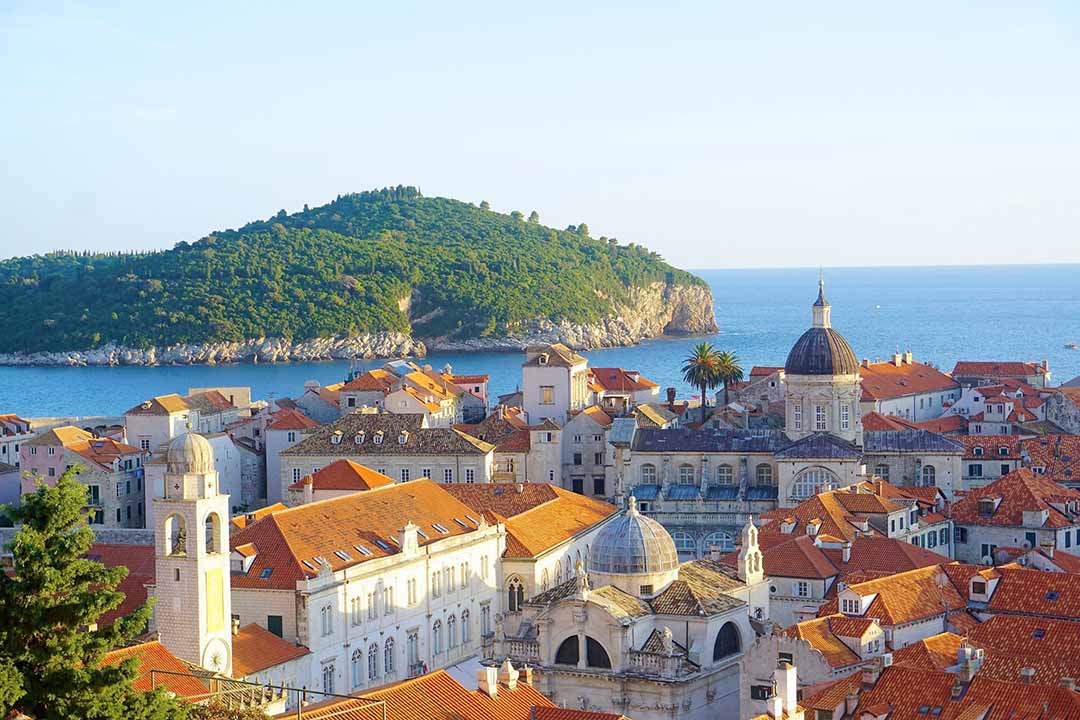
Dubrovnik is a beautiful city located in southern Croatia along the Adriatic sea. Known for its magnificent 16th-century city walls, the old town, and baroque buildings.
Whether you're sitting in a cafe in the city and watching the world go by, or walking around the nearby Lokrum Island and looking back on the city walls, you'll never be short of things to do or see in Croatia.
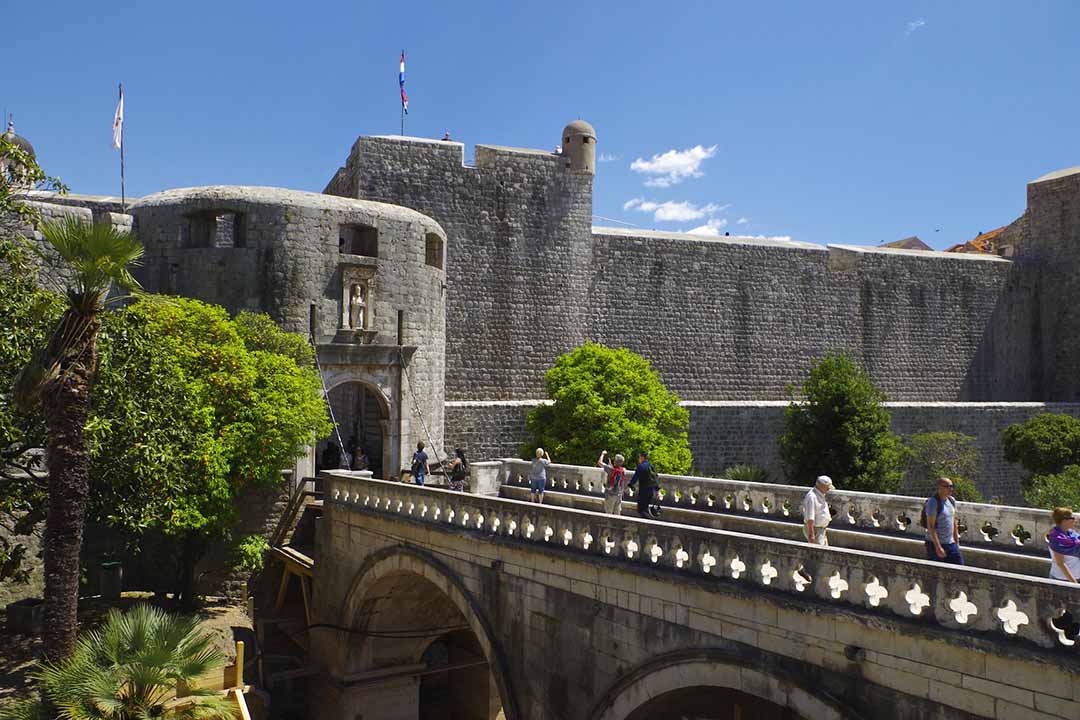
City Walls
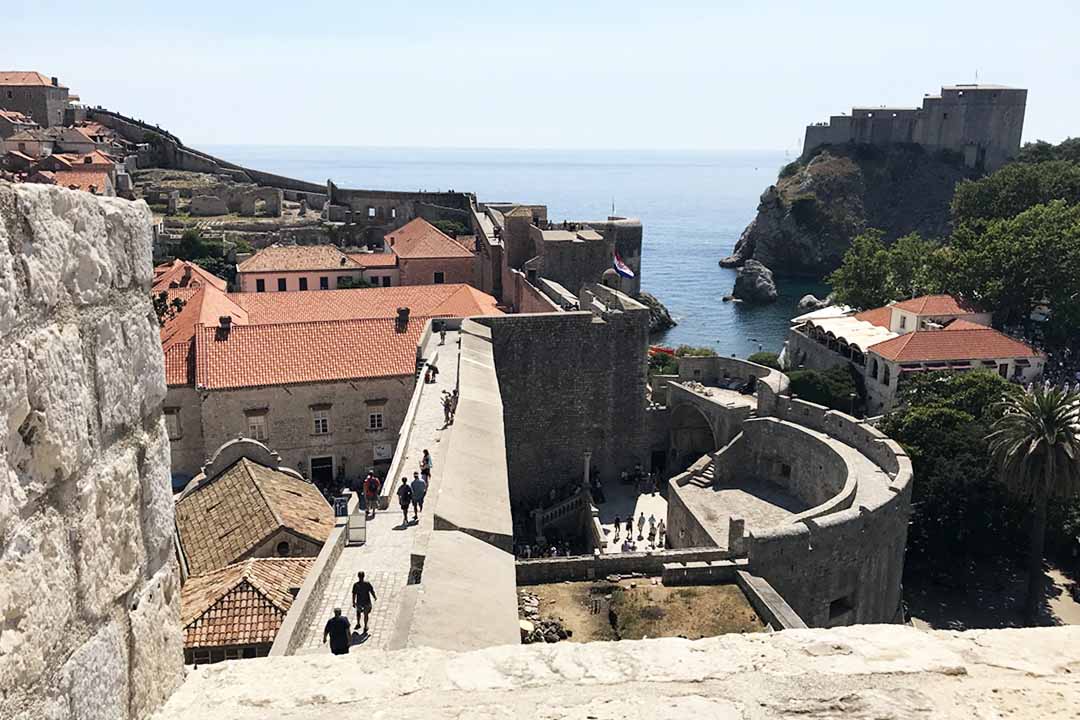
Dubrovnik is a city of rich history, and all it takes is a trip to the City Walls to see it for yourself. These barricades have been standing, intact, since the 12th century. No enemy army was ever able to penetrate them, even during the eight sieges visited upon the city since the 9th century. The walls even sustained the earthquake of 1667, to which so many other buildings and structures in the city fell prey. Over the years, Dubrovnik developed a reputation for being “unconquerable”, thanks to the fortitude of the City Walls. The walls are 1,940m (6,364ft) long and up to 25m (82ft) high, and feature four gates to let people in and out; two by sea and two by land. Walking around the city walls are a great way to see the Old Town and views of the Adriatic sea from above. More InfoLokrum Island
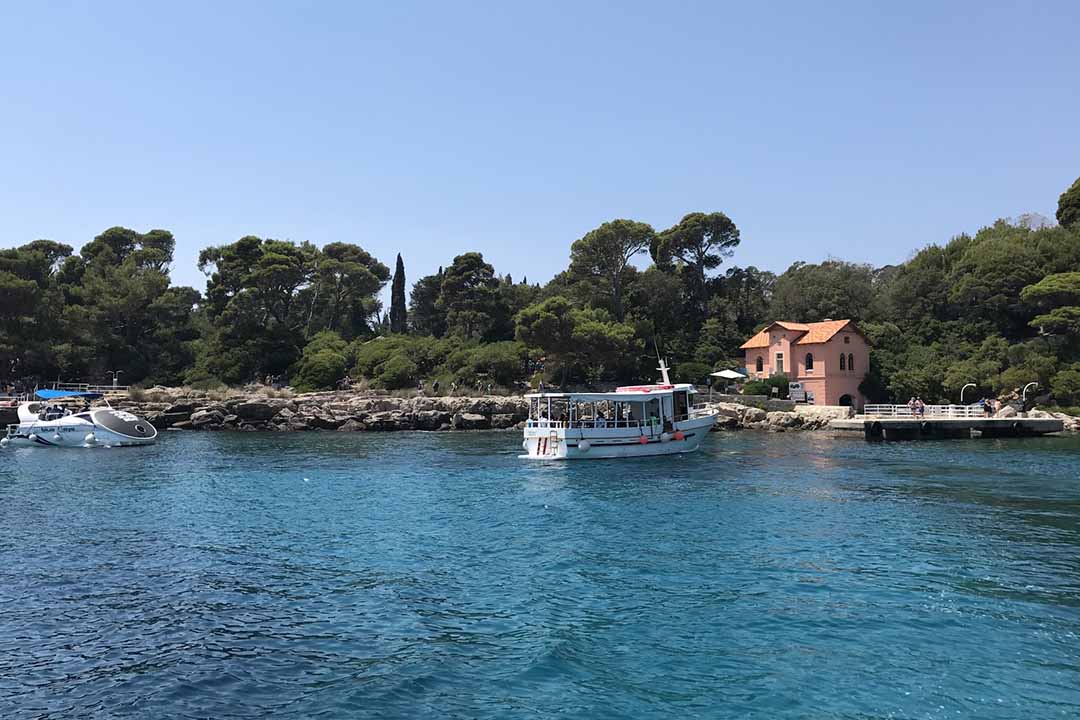
600 metres from Dubrovnik is Lokrum, an island in the Adriatic Sea. At just 1.5 miles in length, the island is covered by thick woods and over 400 species of plants, with rugged cliffs, peacocks, and a small beach. Once the site of a Benedictine abbey and monastery, Lokrum is now a popular tourist destination. In the time of the Benedictines, this island was used to cultivate all manner of exotic plant life, many of which still exist in the island’s famed botanical gardens. Archduke Maximilian Ferdinand of Habsburg built a mansion on the island in the 19th century, and one of his remaining legacies here are the peacocks he brought in from the Canary Islands. You can reach Lokrum by a 10-minute boat road from Dubrovnik. There's no transport on the island, so be prepared to walk everywhere, including up to the highest 96m point on the island where Fort Royal Castle stands. More DetailsDubrovnik Cable Car
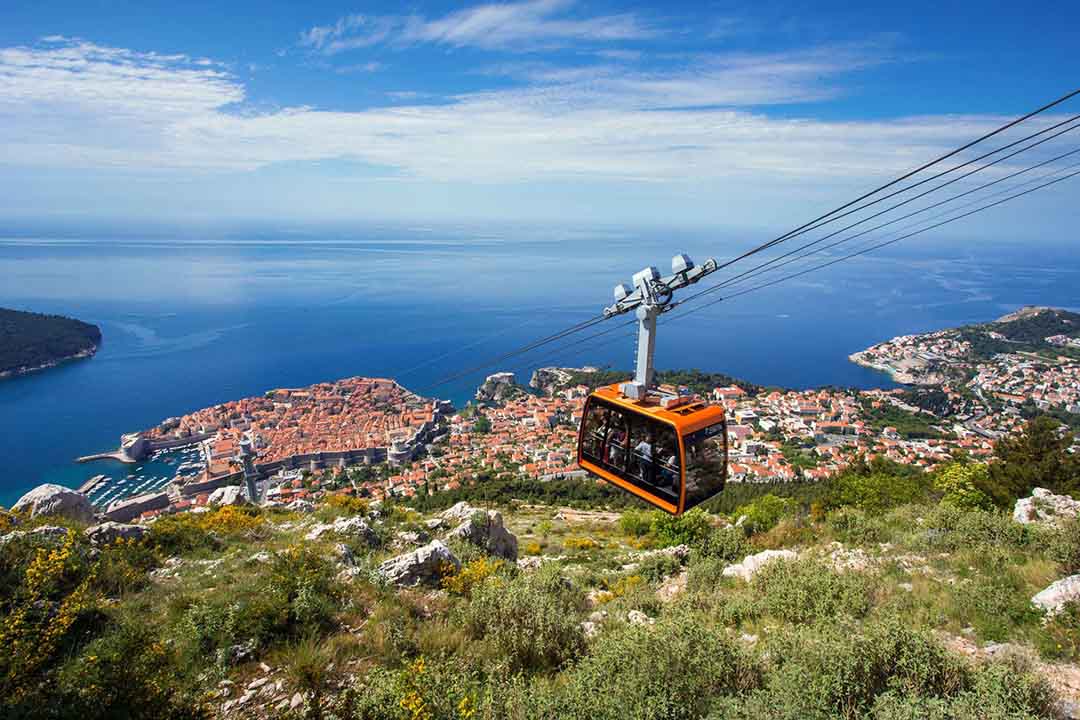
There is nothing like a ride in a cable car, and Dubrovnik takes this experience to the next level. This cable car was built in 1969 and covers almost half a mile (778m) in under 4 minutes. The views afforded at the top are breathtaking. From atop Mount Srdj, all of Dubrovnik is visible below, with the cerulean blue of the Adriatic sea twinkling in the sunlight beyond. While at the top, visit the Imperial Fortress. Most recently the front line of the Homeland War of 1991, it is now home to the Museum of the Croatian War of Independence. More Details
Franciscan Monastery
This monastery was built in 1317. Like so many other buildings in the city, it was largely rebuilt after the 1667 earthquake, although many original elements still remain. Marvel at the bell tower and the gorgeous stone architecture. Enjoy a turn through the vibrant courtyard. Afterwards, visit the Pharmacy, which has been continuously operational since the monastery’s foundation and displays ancient tools and instruments on its shelves.Stradun
Don’t just stop at the City Walls; dive into Dubrovnik’s Old Town on this famed pedestrian walkway. The esplanade is approximately 984 ft (300m) in length and features many of Dubrovnik’s most historic sites. It is bookended by bell towers, 15thcentury water fountains, and the eastern and western gates into the walled city. Every February, the procession for the Feast of St. Blaise traverses the Stradun. To walk down Stradun is to walk alongside centuries of history, a history that you can feel with every step.Sponza Palace (Palača Sponza)
Built-in the 16th century, the Sponza Palace has been, at varying points in its history, a treasury, a customs office, a bank, a mint, and a school. It was one of the buildings that endured the earthquake of 1667, which was especially good news since it was such a pivotal centre of affairs of state. It is now home to the city archives, and the front square hosts the opening ceremony of the Dubrovnik Summer Festival every year.Pile Gate
The wooden drawbridge to this gate used to be raised every evening, and its keys handed to the Rector in an elaborate ceremony, which was repeated every morning when the Rector returned the keys. That ceremony may have ended with the fall of the Dubrovnik Republic, but the stately gate remains. St. Blaise, the patron saint of the city, looks down upon the passersby filing into the old city. The outside gate leads to a smaller inner gate, which leads onto the Stradun and all the marvels of Old Dubrovnik.