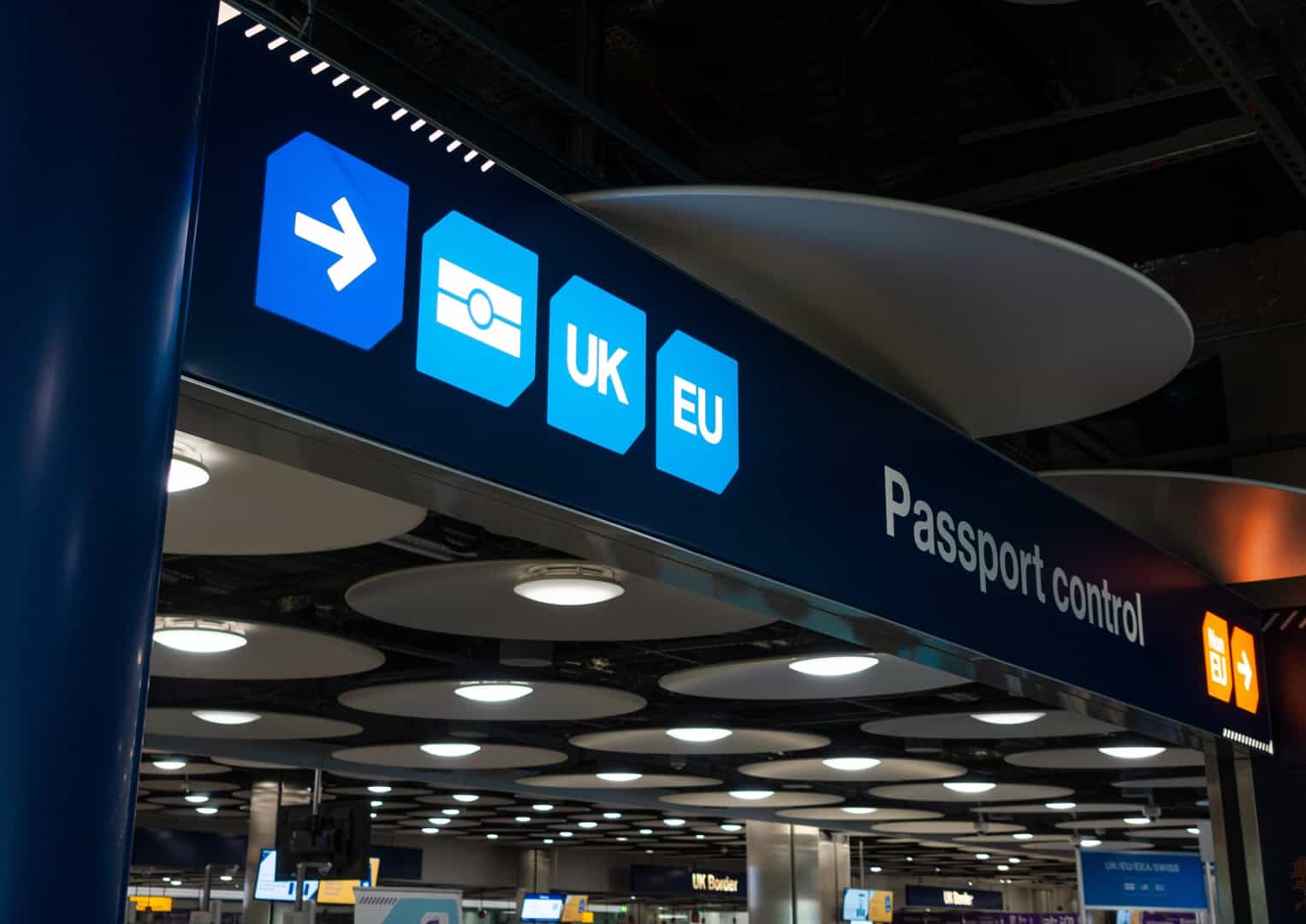
Europe's New Entry/Exit System Explained
Europe's new digital border system replaced passport stamping in April 2026. Here is everything you need to know before you travel - who it affects, what to expect at the border, and what is still to come with ETIAS.
Information correct as of June 2026.
If you have travelled to Europe recently, or are planning a trip in the coming months, you may have heard about the EU's new Entry/Exit System - commonly known as the EES. It has been one of the most talked-about changes to European travel in years, not least because of the queues and confusion that accompanied its early rollout at some border crossing points. Now that the system is fully operational, here is a straightforward guide to what it is, who it affects, and what you can expect when you travel.
What is the Entry/Exit System?
The Entry/Exit System is a new EU border management system that digitally records the entry and exit of non-EU nationals each time they cross into or out of the Schengen Area. It was introduced progressively from 12 October 2025 and became fully operational on 10 April 2026, at which point it replaced the familiar system of manually stamping passports at border control.
Rather than a physical stamp, the system creates a digital record containing your personal details from your travel document, the date and place where you entered or exited, and biometric data - specifically your facial image and fingerprints. Refusals of entry are also recorded. The data is held centrally and can be accessed by border authorities across all 29 participating countries. Children under 12 are exempt from the fingerprinting requirement, though a facial image is still taken.
The stated aims of the system are to better enforce the 90-day rule (which limits how long non-EU nationals can spend in the Schengen Area within any 180-day period), to detect identity fraud more effectively, and to improve the security of Europe's external borders.
Who does it affect?
The EES applies to nationals of non-EU and non-Schengen countries who are visiting the Schengen Area for a short stay - defined as a maximum of 90 days within any 180-day period. This includes British, American, Canadian, Australian, and most other non-European passport holders, regardless of whether they need a visa to enter or not.
It does not apply to citizens of EU member states, or to nationals of Norway, Iceland, Liechtenstein, and Switzerland - all of which participate in the Schengen Area. It also does not apply to travellers with long-stay visas or residence permits, nor to diplomats and accredited officials.
A few important points about geography are worth noting here. The Republic of Ireland is an EU member state but is not part of the Schengen Area, so travel between the UK and Ireland is not affected by EES. Cyprus is also an EU member state but is not yet a full Schengen member, so EES does not currently apply at Cypriot borders either. If you are travelling specifically to Ireland or Cyprus, you will not go through EES processing.
What happens at the border?
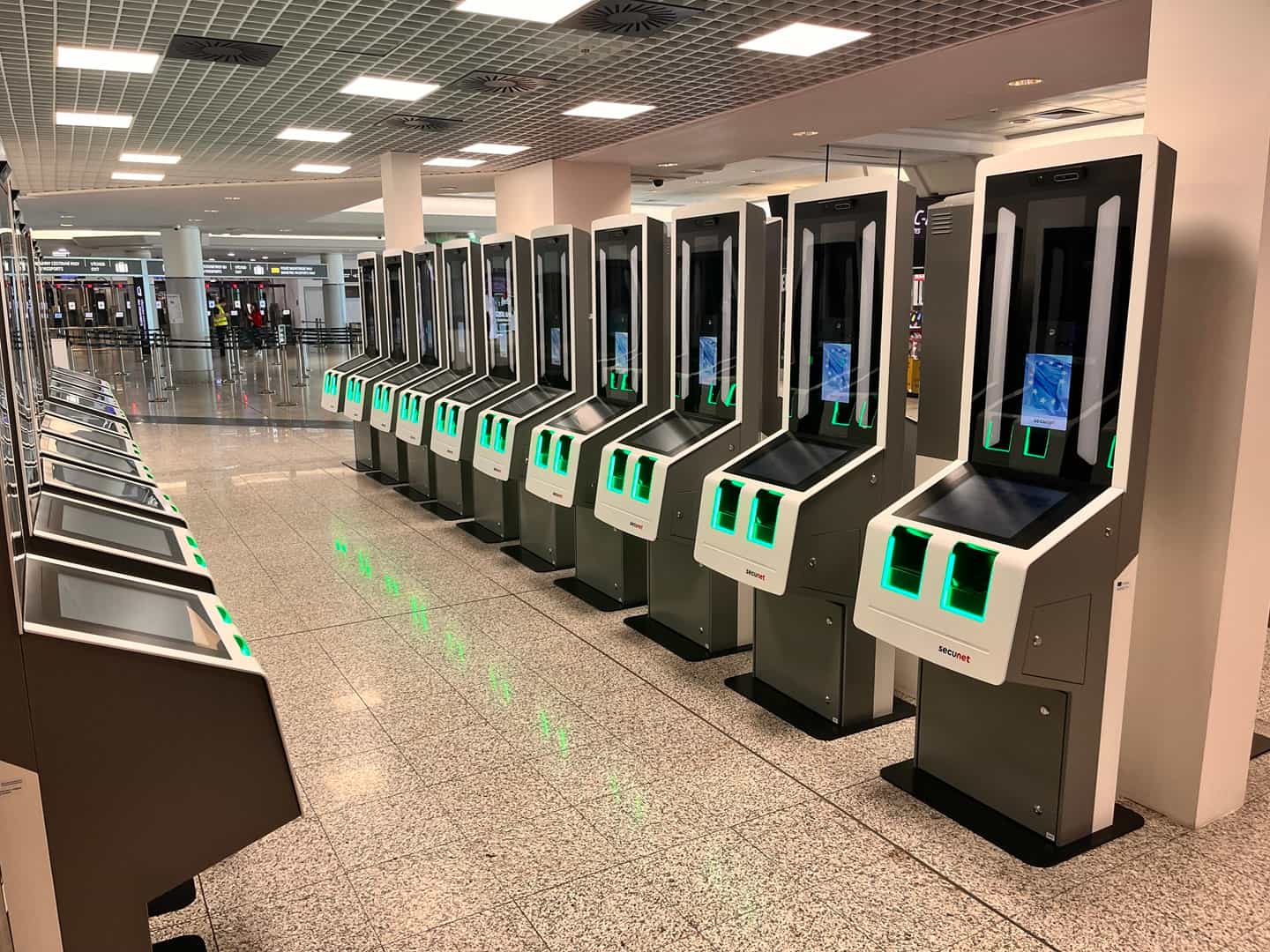
When you arrive at your first Schengen border crossing point - whether that is an airport, a port, or a land border - you will be required to register with the EES if you have not done so before. Registration involves having your photograph taken and your fingerprints scanned, alongside the standard check of your travel document. If you are a first-time registrant, this process takes a few minutes longer than a standard passport check.
Once you are registered in the system, subsequent crossings are quicker. Your biometric data is already stored, so the border officer simply verifies your identity against the existing record rather than collecting everything from scratch. This speed advantage increases over time, though you will still need to join the standard queue at most border crossing points.
It is worth being aware that your first Schengen border crossing is where EES processing takes place - not necessarily your final destination. If you fly from London to Rome via Frankfurt, Germany is where your EES entry will be recorded, not Italy. If you fly directly from London to Rome, Italy records it. This distinction matters if you are monitoring your 90-day allowance carefully.
What do you need to do before you travel?
Nothing is required before you travel. Unlike the American ESTA or the UK's ETA scheme, EES is not a pre-travel authorisation - it is a border process that takes place when you arrive. You do not need to apply in advance, pay a fee, or fill in any forms before you leave home.
That said, the EU has made a "Travel to Europe" mobile app available that allows travellers to pre-register their details before arrival. Using it can speed up the border crossing process, as some of the data collection steps can be completed on your own device rather than at the border control point. It is optional, but worth considering if you are travelling during a busy period and want to minimise time at the border.
The practical advice for all travellers is straightforward: make sure your passport is valid for the duration of your stay, ensure every child in your group has their own individual passport (collective or family passports are no longer accepted at EES-equipped border points), and carry details of your accommodation with you, as border officers are more likely to ask for this information now that the questioning process has moved from paper stamps to digital registration.
What about queues and delays?
This is the area where travellers need to be most clear-eyed heading into summer 2026. The early months of EES were difficult at a number of crossing points - Lisbon Airport suspended the system temporarily in late 2025 after significant delays, and Dover and several other ports experienced disruption during the transition period. Things have not fully settled since full implementation in April.
As of June 2026, French airports are reporting waits of 60 to 120 minutes at peak periods due to EES processing. Airport and airline bodies including IATA, ACI EUROPE, and Airlines for Europe have written to the European Commission warning that unless urgent action is taken, queues during peak summer months in July and August could reach four hours or more at the busiest airports. The issues cited are understaffing at border control, unresolved technology problems with automated gates, and very low uptake of the pre-registration app.
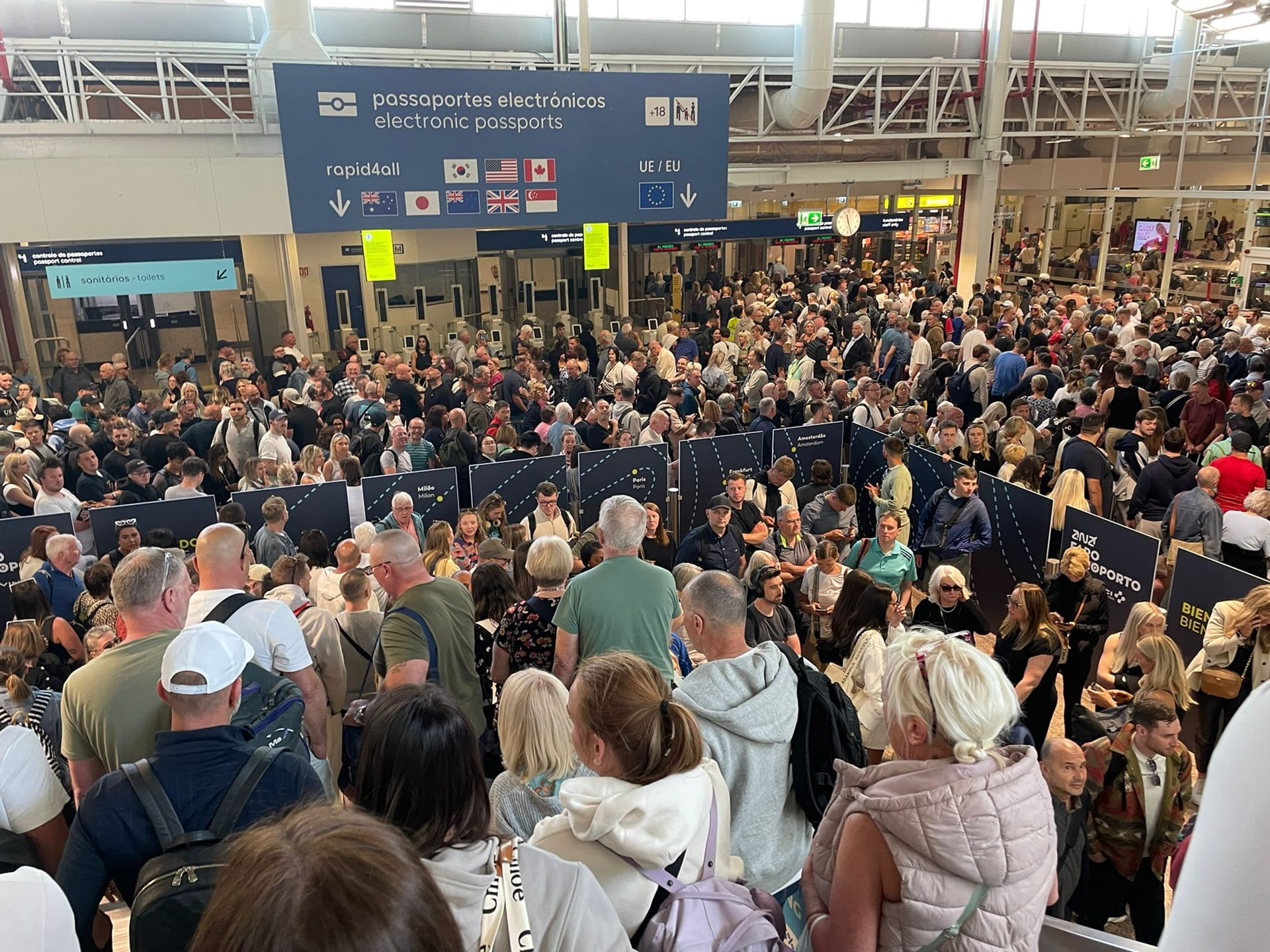
There is also genuine inconsistency between countries. Greece announced in spring 2026 that it would suspend EES checks for British tourists this summer - a decision the European Commission said was unauthorised and contacted Athens to reverse. Portugal has been informally relaxing checks at airports when queues become severe. The practical result is that the experience at the border may vary considerably depending on where you are travelling to and from.
The implication for travellers is clear: allow significantly more time at the border than you normally would, particularly at large hub airports. If you are connecting through a Schengen airport on your way to a final destination, allow at least two to three hours between flights in summer. Arriving at the airport earlier than usual - even for a direct flight - is sensible precaution for the rest of 2026. Morning and late-evening arrivals tend to clear faster than mid-afternoon banks of long-haul flights.
What about ETIAS - is that the same thing?
No - ETIAS (the European Travel Information and Authorisation System) is a separate system that is not yet in operation. It is worth understanding the difference, as the two are often confused.
Where EES is a border process that records your movements when you travel, ETIAS is a pre-travel authorisation - similar in concept to the American ESTA or the UK's Electronic Travel Authorisation. When it launches, travellers from visa-exempt countries (including the UK, US, Canada, and Australia) will need to apply and pay a small fee before travelling to most EU countries and Schengen associated states.
As of mid-2026, ETIAS has not yet launched. The European Commission has indicated it is expected to become operational in the last quarter of 2026, though no confirmed date has been set. Applications are not currently being accepted, and the official website is not yet live. If you see a website claiming to process ETIAS applications now, treat it as fraudulent - these are scam sites. When ETIAS does launch, the only official channel will be the EU's own website at travel-europe.europa.eu.
The 29 countries covered by EES
EES applies at the external borders of all 29 Schengen Area countries. These are: Austria, Belgium, Croatia, Czech Republic, Denmark, Estonia, Finland, France, Germany, Greece, Hungary, Iceland, Italy, Latvia, Liechtenstein, Lithuania, Luxembourg, Malta, Netherlands, Norway, Poland, Portugal, Romania, Slovakia, Slovenia, Spain, Sweden, and Switzerland. As noted above, Ireland and Cyprus are EU members but are not currently part of the Schengen Area, so EES does not apply at their borders.
A quick summary
EES is live and fully operational as of April 2026. If you hold a British, American, or other non-EU passport and are visiting Europe for a short stay, you will go through EES at your first Schengen border crossing. There is nothing to do before you travel, but bring a valid passport, make sure every traveller in your group has their own passport, carry your accommodation details, and allow extra time at the border. ETIAS is a separate system that is not yet active - you do not need to do anything about it right now. When it does launch later in 2026, only the official EU website will be the place to apply.